The Settings > Military > A Case Study
A Case Study
Introduction
The purpose of training is to support system operational performance by ensuring essential levels of proficiency on the part of the personnel associated with the system and its mission. Pilots learn to operate specific aircraft systems through the use of training devices in the expectation that the task–based learning will transfer to operational performance of the aircraft, when and where it is required.
Standardization, based on professional knowledge and experience, provides the basis for development of an efficient and sound operational procedure.This manual provides specific Basic Operator and Mission task guidelines for executing pilot training.Based on Instructional Systems Development (ISD) methodology, it serves to define the mission duties and skills required of pilots as required by Air Operations Manual, the aircraft mission includes, or refers to, all of the procedures, tasks, maneuvers and problems in which the crew must be proficient.
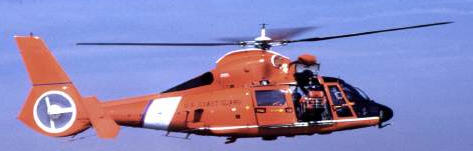
The Flight Manual, provides the necessary information for safe and efficient operation of the aircraft. Utilized in conjunction with the Flight Manual, this manual establishes the requirements that standardize the pilot training program and flight evaluation procedures. By using these manuals, commanders ensure that individual pilot and aircrew proficiency is commensurate with their units’ mission and that aircrews routinely employ standard techniques and procedures. It is the responsibility of unit commanders to provide specific guidance for implementing the training outlined in this manual for respective Copilots, First Pilots, and Aircraft Commanders.
This manual was originally a product of the course design effort undertaken to produce the Copilot/First Pilot Transition Course at the Aviation Training Center. It serves as a guide for and to be used by the Training Branch for continuous evaluation and revision. Planning, preflight, and in–flight tasks involve the cooperative effort of all crewmembers. For training purposes, it is important to continuously identify and assess those tasks which are critical to mission success, to ensure their support in the training process, and to identify the tasks which require special attention and analysis in the development of training media, settings, and programs. Considering the matrices as “living” documents facilitates modification of instructional content resulting from formative evaluation during development and tryout phases as well as planned improvements to the current training program. This manual is prepared and kept current by the Training Branch in order to achieve maximum training readiness and safety in the most efficient and economical manner.
The Instruction
An excerpted version of the instruction is available HERE.
|